LET US TAKE CARE OF YOUR SPRINKLER SYSTEM

ENJOY YOUR YARD THIS SPRING AND SUMMER

Our Services

Broken heads

Broken pipes

Broken valve

Fix Overspray

Improper pressure

Clogged Nozzles

We can fix it.

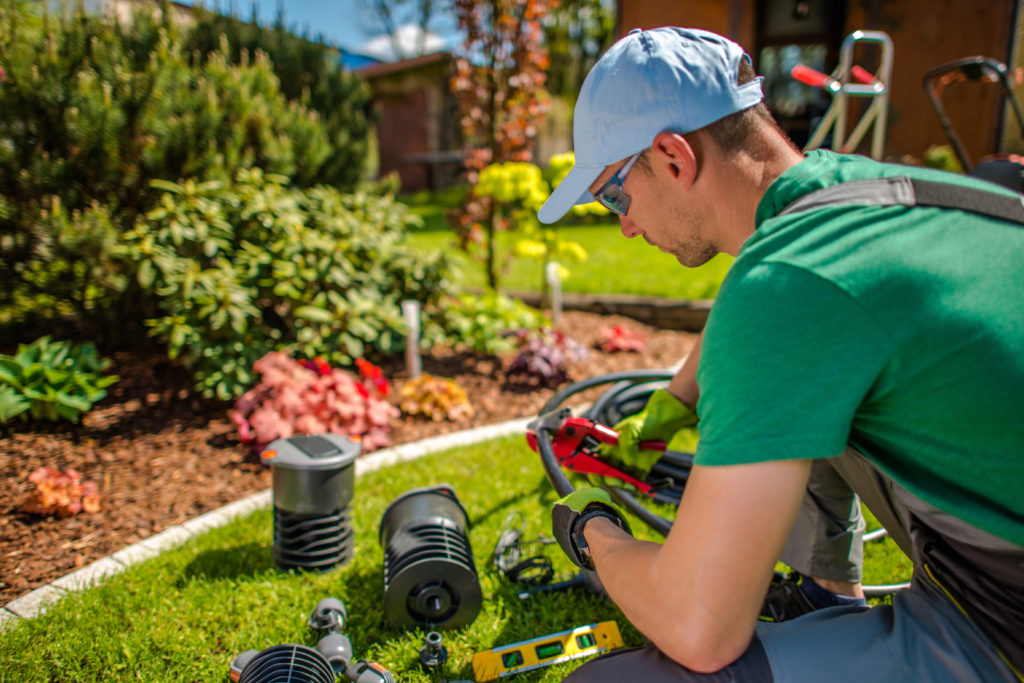
Our sprinkler repairs guarantee efficient and reliable watering for your garden! With years of industry experience, our technicians can quickly diagnose and repair any problem with your sprinkler system

Our works

  • Checking the sprinkler heads for proper function and cleaning them if necessary
  • Inspecting the system for leaks or damaged pipes
  • Testing the system to ensure proper coverage and adjust the sprinkler heads if necessary
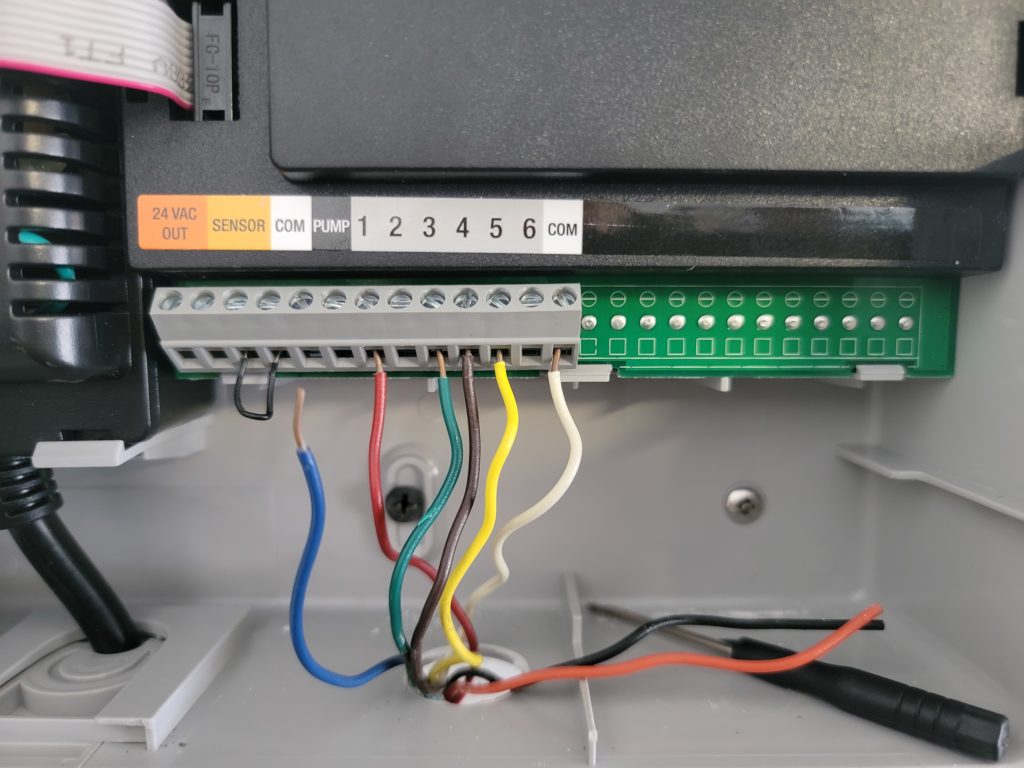
  • Checking the controller to ensure it is programmed correctly and updating the watering schedule as needed

Update your Controller with a Smart WI-FI System

Remote access in your phone

Upgrading to a smart sprinkler system controller lets you remotely control your system from your smartphone or tablet. You can adjust your watering schedule, monitor water usage, and save time and money with automatic weather-based adjustments. This investment conserves water, increases property value, and benefits any homeowner.

Need help? We'll help you ASAP

How Trenching, Pipes, & Sprinklers works?

Trenching

Trenching is the process of digging a trench or ditch in the ground to lay the pipes for the sprinkler system. This allows for the pipes to be buried underground and out of sight. After the pipes are laid, the trench is filled back in with soil and the system can be tested and connected to a water source.

Pipes

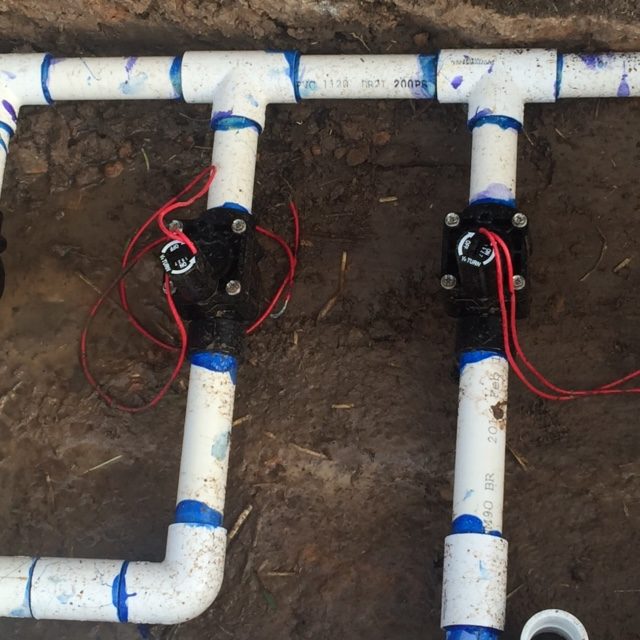
Polyvinyl chloride (PVC) pipes are commonly used in residential sprinkler system installations because they are durable and resistant to corrosion and chemical damage.

Sprinklers

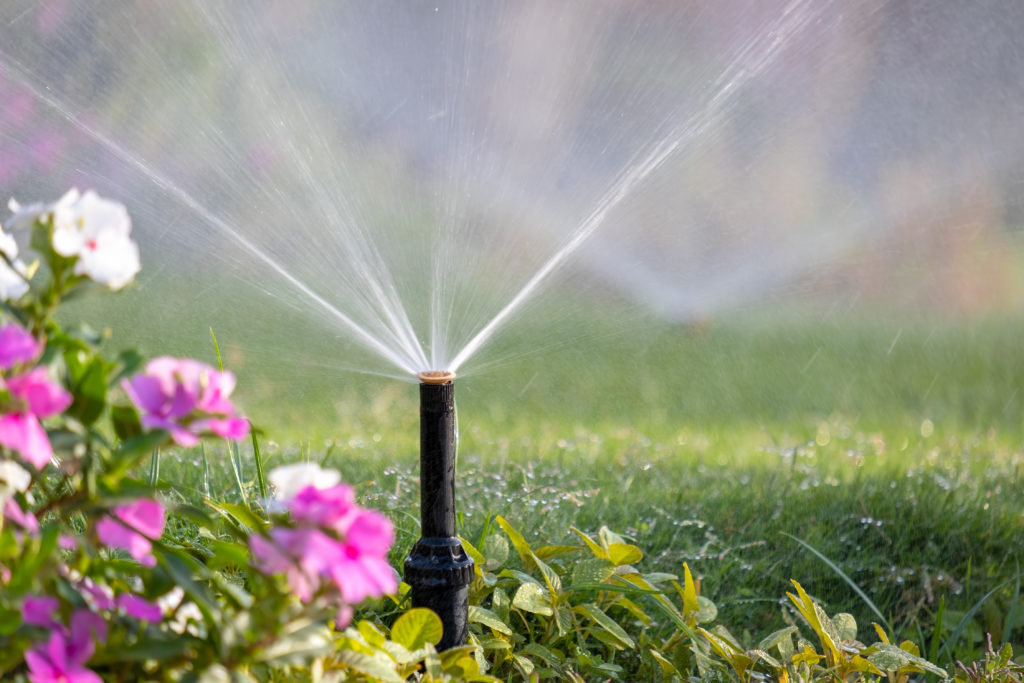
In a  sprinkler system, a pop-up is a type of sprinkler head that is designed to pop up out of the ground when the system is activated. These sprinkler heads are often used in areas that require a low profile sprinkler.

On the other hand, a rotor is a type of sprinkler head that rotates in a circular motion to distribute water over a larger area. These sprinkler heads are often used in larger areas, such as lawns or parks, where a larger coverage area is needed.

Frequently Asked Question!

It is recommended to perform yearly maintenance on your system.

Control panel failure can be caused by a variety of factors, such as electrical issues, component wear and tear, and software malfunctions. Regular maintenance and inspections can help prevent control panel failure and ensure the proper functioning of a sprinkler system. If a control panel does fail, it may need to be repaired or replaced to ensure the system is functioning properly and safely.

There are several reasons why a buried pipe in a sprinkler system may break. One common cause is freezing temperatures, which can cause water inside the pipe to freeze and expand, leading to cracks or other damage. Other factors that can cause a pipe to break include soil shifting, root intrusion, and physical damage from digging or other construction activities. Proper installation and maintenance of a sprinkler system can help prevent pipe breaks and other issues.

A Pressure Vacuum Breaker (PVb) is a type of backflow prevention device commonly used in residential sprinkler systems to prevent contaminated water from flowing back into the main water supply. It works by creating a barrier of air between the sprinkler system and the main water supply, preventing backflow from occurring. If a PVb is broken, it may need to be replaced or repaired to ensure the sprinkler system is functioning properly and safely.

Cool temperatures can cause water to freeze and expand within the PVb, which can lead to cracking or other damage that can result in the device failing to function properly. It is important to properly winterize a sprinkler system in areas where freezing temperatures are common to prevent damage to the system and its components, including the PVb.

In Texas, regulations regarding permits for installing an irrigation system vary by city and county. It is recommended to check with your local government offices to determine if a permit is required for your specific location.

HB2507
Signed by Governor

Governor Rick Perry signed into law HB2507 on June 17, 2011.
 This legislation makes it a class C misdemeanor for an individual to
install an irrigation system without a license. 

 ”Licensed irrigators in Texas seek out and pay for education, pass the rigorous Texas licensing exam, keep up with CEUs each year, and deserve to have that hard work rewarded with some enforcement from state and local agencies.” “This is a good first step in the ongoing battle against unlicensed individuals polluting our industry,” said Gail Donaldson, the DIA representative on the TTIA board of trustees.

Get In Touch